
 1 / 9
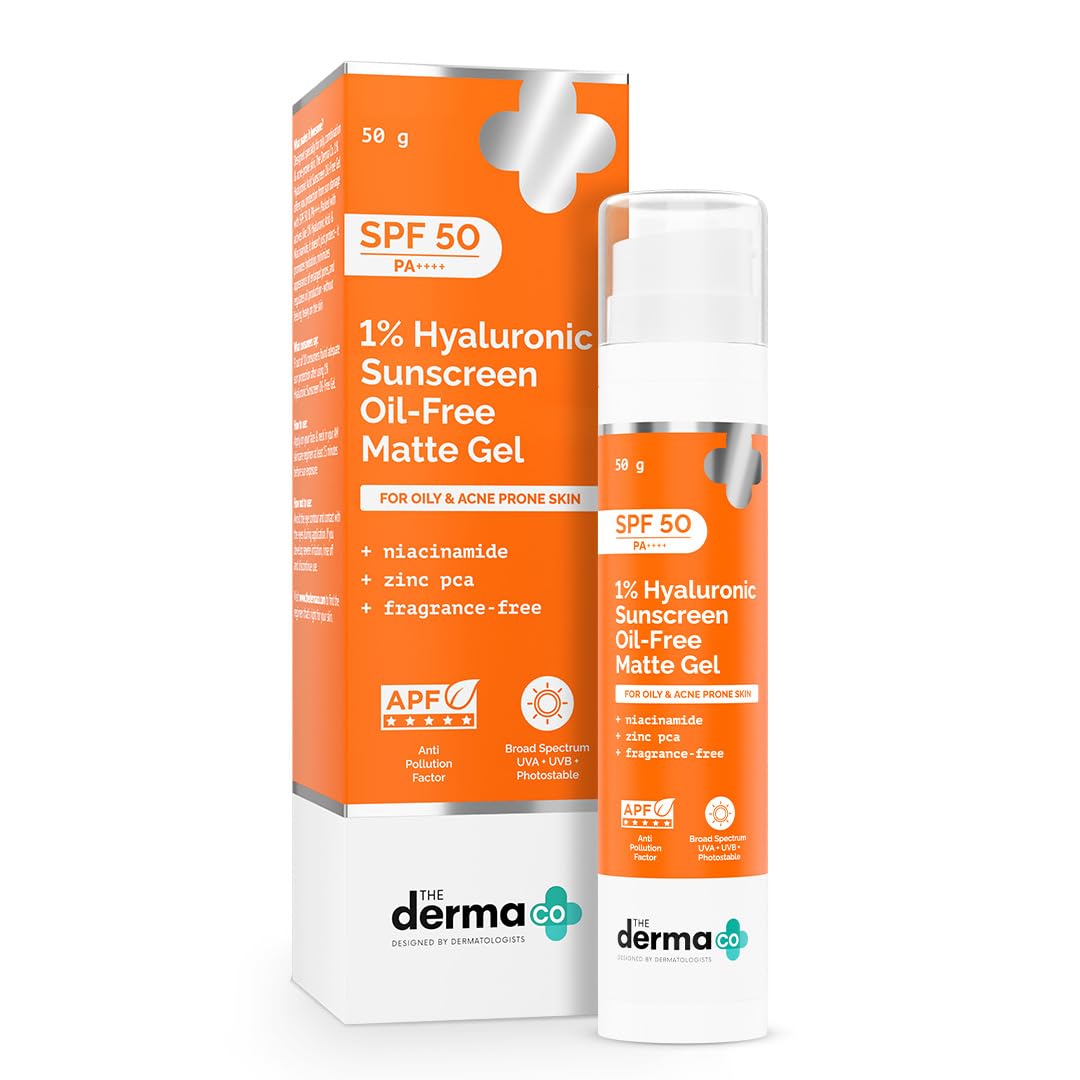
1 / 91% Hyaluronic Sunscreen Oil-Free Matte Gel SPF 50
High SPF 50 and PA++++ protection
Skin Type Match
Matte · Lightweight · Unstable
- Matte dry finish
- Lightweight and breathable
- High UV protection
- Poor photostability
- Mildly comedogenic
- Severe eye sting
Performance Scores
SPF Level
Excellent
SPF Level
The high SPF claim is substantiated by a robust combination of primary UVB filters, including Octinoxate, Octisalate, and Ensulizole.
Broad Spectrum
Excellent
Broad Spectrum
Absorption spectra confirm Bisoctrizole and Avobenzone cover the critical UVA I range up to 400 nm, while Ecamsule effectively bridges the UVA II gap with a peak at 344 nm.
Sweat Resistance
Poor
Sweat Resistance
Polyester-7 (often formulated with Neopentyl Glycol Diheptanoate) is documented in cosmetic chemistry as a synthetic polymer used to create hydrophobic films that retain UV filters on the skin.
Photo Stability
Poor
Photo Stability
Photochemistry literature establishes that Octinoxate and Avobenzone undergo bimolecular photoreactions under UV exposure, and while Bisoctrizole provides secondary stabilization, it cannot fully prevent this direct chemical degradation.
Visible Light
Poor
Visible Light
Absence of any iron oxide colour indices (e.g., CI 77491, CI 77492, CI 77499) or protective non-nano mineral pigments in the ingredient list.
Irritation Risk
Medium Risk
Irritation Risk
Propylene glycol is a well-documented penetration enhancer and irritant that frequently triggers contact dermatitis in patients with compromised skin barriers.
Pore Clogging
Medium Risk
Pore Clogging
Clinical evaluations assign a 2/5 comedogenicity rating to ingredients like cetearyl alcohol and glyceryl stearate, while the cetearyl alcohol and ceteareth-20 combination is historically flagged in dermatological assays.
White Cast
Low Risk
White Cast
Bisoctrizole is an organic microfine particulate filter that reflects and scatters UV light, known to leave a slight whitish cast on deeper Fitzpatrick skin types.
Ingredients Analysis
Active Filters
Avobenzone UVA I / UVA II
Rapidly degrades under UV exposure losing significant UVA protection capacity unless stabilized by other filters.
Ensulizole UVB
In vitro studies suggest it can generate reactive oxygen species upon UV exposure which may lead to cellular damage though real world impact is debated.
Octinoxate UVB
Studies indicate potential estrogenic and thyroid disrupting activity in animal models and human cell lines.
Octisalate UVB
Clinical trials demonstrate systemic absorption into the bloodstream exceeding the FDA threshold requiring further safety testing.
Key Inactive Ingredients
Propylene Glycol Solvent
Recognized as a frequent cause of allergic contact dermatitis especially in individuals with eczema or compromised skin barriers.
Triethanolamine pH Adjuster
May react with nitrosating agents in formulations to form nitrosamines which are potential carcinogens.
Decyl Glucoside Surfactant
Named Contact Allergen of the Year in 2017 due to increasing reports of allergic contact dermatitis, though it remains safe and mild for the vast majority of users.
Phenoxyethanol Preservative
Generally well tolerated but can cause contact dermatitis or skin irritation in rare cases, particularly in sensitive individuals.
Ethylhexylglycerin Preservative
Recognized as a rare but emerging cause of allergic contact dermatitis, particularly in leave-on cosmetic products.
Cetearyl Alcohol Emollient
Historically rated as mildly comedogenic in animal models but modern dermatological consensus indicates it is unlikely to clog pores in typical cosmetic formulations.
Ceteareth-20 Emulsifier
As an ethoxylated compound, it may contain trace amounts of 1,4 dioxane and ethylene oxide, which are potential carcinogens formed during the manufacturing process.
Ethoxydiglycol Solvent
Restricted in the EU to specific maximum concentrations and banned in eye and oral products to prevent potential kidney damage [2.1].
Capsicum Annuum Fruit Extract Skin Conditioning
May cause skin irritation, erythema, or a warming sensation in sensitive individuals due to the potential presence of capsaicinoids.
BHT Antioxidant
Some animal studies suggest high oral doses may cause endocrine disruption, though regulatory bodies consider it safe at the low concentrations used in cosmetics.