
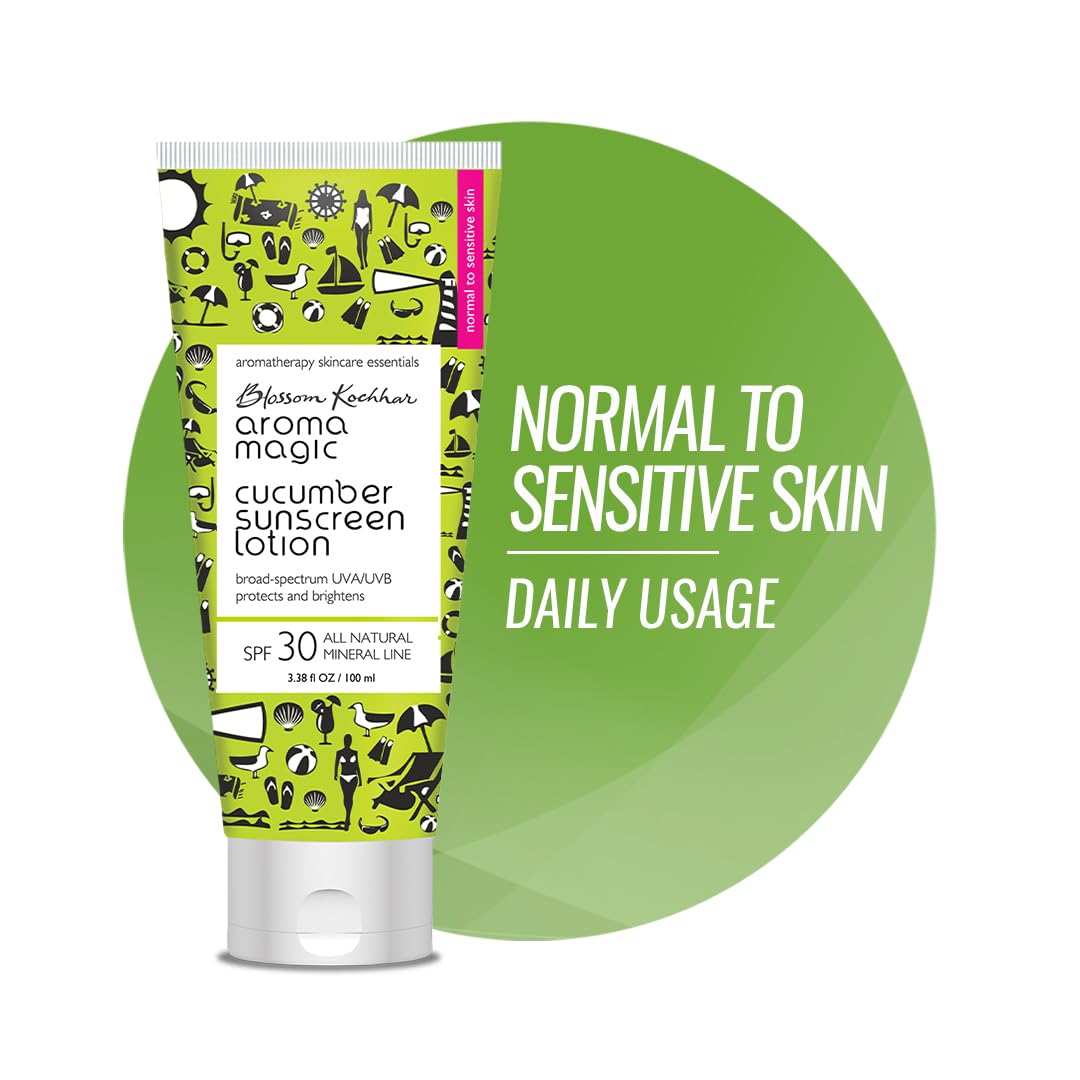
 1 / 5
1 / 5Cucumber Sunscreen Lotion : Ingredients & Skin Analysis.
Photostable mineral UV protection
Skin Type Match
Comedogenic · Sensitizing · Occlusive
- No drying alcohol
- Soothing zinc oxide
- Photostable mineral filter
- Highly pore clogging
- Sensitizing essential oils
- Heavy greasy finish
Performance Scores
SPF Level
Fair
SPF Level
The input specifies an SPF value of 30, which is functionally supported by the presence of Zinc Oxide as the primary UV filter.
Broad Spectrum
Fair
Broad Spectrum
Photobiology data confirms Zinc Oxide absorbs and scatters UV radiation continuously up to 400 nm, effectively serving as a standalone broad-spectrum filter.
Sweat Resistance
Poor
Sweat Resistance
Organic Beeswax is positioned prominently at ingredient number 2, acting as a natural film-forming and water-repelling agent.
Photo Stability
Excellent
Photo Stability
Zinc Oxide is universally recognized in dermatological literature as an inherently photostable inorganic filter requiring no chemical stabilization.
Visible Light
Poor
Visible Light
The ingredient list is entirely devoid of iron oxide color indices (e.g., CI 77491, CI 77492, CI 77499) or heavy pigmentary minerals.
Irritation Risk
Medium Risk
Irritation Risk
Essential oils like chamomile, myrrh, and frankincense contain volatile terpenes documented in dermatological literature as common contact irritants.
Pore Clogging
High Risk
Pore Clogging
Established dermatological comedogenicity scales classify wheat germ oil and coconut oil as highly pore-clogging (ratings of 5 and 4, respectively) due to their dense fatty acid profiles and occlusive behavior on human skin.
White Cast
High Risk
White Cast
Un-tinted, non-nano zinc oxide at the concentrations required for SPF 30 consistently produces visible white reflectance on Fitzpatrick III-VI skin tones (Photodermatol Photoimmunol Photomed).
Ingredients Analysis
Active Filters
Key Inactive Ingredients
Beeswax Emollient
Beeswax can sometimes retain traces of propolis which is a known contact allergen that may trigger dermatitis in sensitive individuals.
Wheat Germ Oil Emollient
Widely recognized as highly comedogenic with a maximum rating of 5 out of 5, meaning it is very likely to clog pores and trigger breakouts in acne-prone skin [1.6].
Coconut Oil Emollient
Widely recognized as highly comedogenic meaning it can easily clog pores and exacerbate breakouts in oily skin types.
Chamomile Essential Oil Fragrance
As an essential oil derived from the Compositae family, it contains volatile fragrant compounds that can trigger allergic contact dermatitis in sensitive individuals.
Myrrh Essential Oil Fragrance
Like many essential oils, myrrh oil contains volatile compounds that can cause skin sensitization and allergic contact dermatitis, especially in individuals with sensitive skin.
Frankincense Essential Oil Fragrance
Contains volatile aromatic compounds that are known to cause allergic contact dermatitis and skin sensitization in sensitive individuals.
Pro-Vitamin B5 Humectant
Although celebrated for its soothing properties patch testing indicates panthenol is a rare but relevant contact allergen for a very small percentage of individuals.
Soybean Oil Emollient
Soybean oil has a moderate comedogenic rating and is frequently cited as a pore clogging ingredient that can exacerbate breakouts in acne prone individuals.